Insurance and Safety for Commercial Waste Beaconsfield
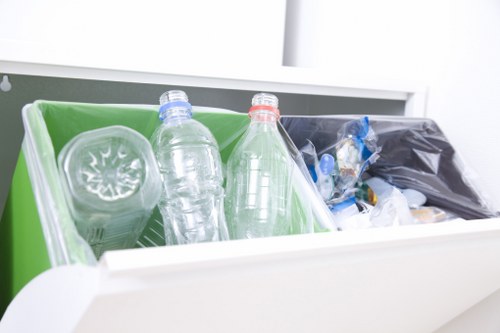 Commercial Waste Beaconsfield prioritises robust insurance and rigorous safety systems so clients can rely on an insured rubbish company that manages risk professionally. Whether you're contracting an insured waste company for daily collections or occasional bulky waste removal, you should expect clear evidence of public liability cover, worker competence, and an auditable safety culture. This page explains how an insured rubbish services provider operates, the policies we insist on, and how safety is embedded into every job.
Public liability insurance is the cornerstone of any reputable commercial waste operator. A properly insured rubbish company in Beaconsfield maintains policies that cover accidental damage to third-party property, bodily injury to members of the public, and the legal costs of defending claims. Typical limits for an insured commercial waste company include indemnity limits that reflect the scale of operations — commonly £1 million to £5 million or higher for larger contracts. We require documented evidence of these limits and renewal dates, and we verify that policies explicitly cover waste removal activities rather than general business operations.
 Verification extends beyond a simple certificate. For an insured waste removal company, valid Certificates of Insurance, policy schedules, and a named insured matching the trading entity are essential. We also check for Employers' Liability insurance where staff are employed directly, and public liability coverage for third parties when subcontractors are engaged. Where specialist wastes are handled, pollution liability or environmental impairment coverage may also be necessary to ensure comprehensive protection.
Staff training is the second pillar of safe, compliant waste services. An insured rubbish services provider must demonstrate a formal training programme that covers induction, ongoing competence checks, and role-specific instruction. Training records should be maintained for drivers, loaders, site managers, and administrative staff who coordinate collections. This ensures the insured waste company not only holds insurance but also minimises the likelihood of incidents that could lead to claims.
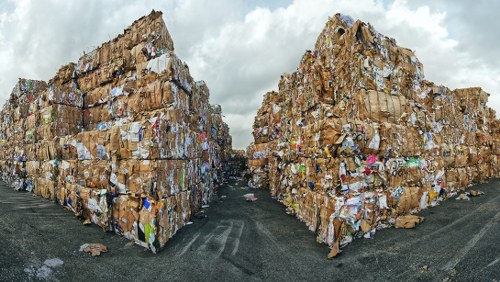 Training should be a mix of classroom, on-the-job mentoring, and periodic refresher courses. Core topics include manual handling, safe vehicle operation, waste segregation rules, hazardous materials recognition, fire prevention, and emergency response. For commercial waste carriers, defensive driving and load-security training are critical. Toolbox talks and documented supervision rounds provide evidence that staff receive regular coaching and that lessons from incidents are integrated into practice.
PPE (personal protective equipment) and its correct use are non-negotiable for any insured waste removal company. Employers must supply appropriate PPE, ensure it is fit for purpose, and maintain records of issue and replacement. Typical items include:
- High-visibility clothing for roadside operations
- Protective gloves for handling contaminated or sharp materials
- Steel-toe boots and protective footwear
- Eye protection and respiratory masks where dust or fumes are present
- Hard hats when operating in confined or overhead-risk areas
Risk Assessment Process for an Insured Waste Company
Risk assessments translate insurance and training into practical controls on site. An insured rubbish company should adopt a formal, documented risk assessment process that is proportionate to the hazards presented by commercial waste operations. The process must identify hazards, assess the likelihood and severity of harm, determine control measures, and record residual risk. A robust risk assessment will be dynamic: conducted before works commence, reviewed when conditions change, and communicated to all affected personnel. Typical steps include:
- Site survey to identify access, traffic, and waste types
- Hazard identification, including sharp objects, hazardous substances, and vehicle movements
- Selection and implementation of control measures (engineering, administrative, PPE)
- Assignment of responsibilities and escalation pathways
- Documentation, sign-off, and review schedule
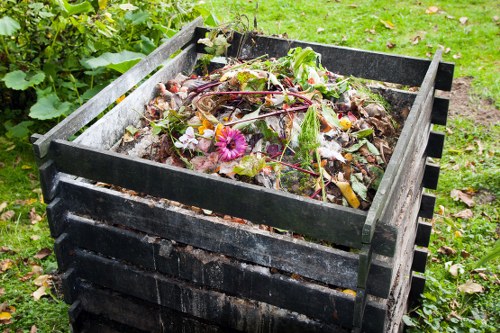 For businesses procuring services, insisting on an insured waste removal company that follows this risk assessment protocol reduces exposure to liability and enhances operational continuity. Comprehensive records demonstrate that the company has taken reasonable steps to prevent incidents, which supports both safety outcomes and the validity of insurance claims if an incident occurs.
Operational Controls, Compliance and Continuous Improvement
Beyond initial insurance and documented assessments, an effective insured rubbish company implements ongoing monitoring and improvement. Regular audits, incident reporting systems, and corrective action plans ensure compliance with health and safety standards. Where near-misses occur, a strong safety culture treats them as learning opportunities rather than grounds for blame, reinforcing behaviours that reduce real harm.Administrative controls such as route risk assessments, vehicle maintenance logs, and documented waste transfer notes all support the insurer’s view that the company is managing risk. Insurance underwriters favour providers who can show evidence of systematic risk reduction because it lowers claim frequency and severity.
In summary, selecting an insured commercial waste company should be based on more than a one-line insurance certificate. Verify the scope and limits of public liability and employers' liability insurance, confirm that staff receive appropriate training and PPE, and review the company's risk assessment methodology. An insured rubbish company that couples solid insurance cover with proactive safety management gives clients confidence and reduces overall exposure to loss. Safety and insurance work together to protect people, property, and business continuity in every commercial waste operation.
