Complaints Procedure for Commercial Waste Beaconsfield
 Purpose. This Complaints Procedure explains how concerns about Commercial Waste Beaconsfield services are handled. It sets out the steps to raise a complaint, the timescales for responses, and the approach taken to investigate and resolve issues related to commercial rubbish collection, bin servicing and other business waste operations. The aim is to ensure complaints are treated fairly, consistently and promptly while maintaining legal and environmental obligations.
Scope. This procedure applies to complaints arising from any aspect of commercial waste collection and business waste management provided within our operating area. It covers missed collections, contamination of recycled materials, incorrect billing or invoices connected to commercial waste disposal, driver conduct, vehicle damage during service, and failures to fulfil contractual commitments. It does not include informal service enquiries or general information requests.
 Definitions. In this policy, a "complaint" is any expression of dissatisfaction relating to service delivery. "Complainant" means a business representative, property manager, landlord or authorised agent who raises an issue about commercial waste services. "Investigator" refers to the appointed person who will lead the review of the complaint and record outcomes.
How to Make a Complaint
Complaints may be submitted in writing or verbally through the channels published for service users. A complaint should include the date, time and location of the incident, the container or vehicle identifiers if known, and a clear account of the concern. Photographs, delivery notes and any relevant contract references are useful to support the investigation. Complaints will be accepted from authorised business contacts only.Acknowledgement and Initial Assessment. Upon receipt, complaints will be acknowledged within three working days, and an initial assessment will determine whether immediate operational action is required. If a safety or environmental hazard is reported, urgent remedial action will be prioritised. The acknowledgement will explain who is handling the matter and outline the anticipated timetable for a full response.
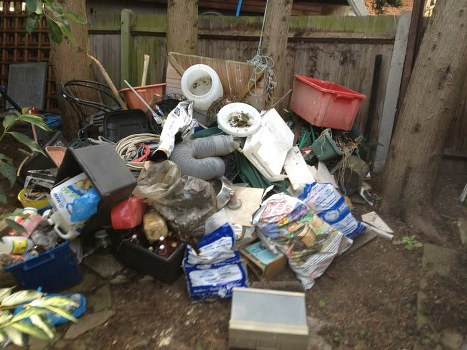 Investigation Process. The complaint will be assigned to an investigator who will gather relevant records, route logs, staff statements and any photographic evidence provided. Investigations will be proportionate to the severity and complexity of the issue. For routine matters, a resolution is normally reached within ten working days; for more complex cases, an interim update will be provided while enquiries continue.
Possible Outcomes and Remedies
After investigation, outcomes may include remedial service action, corrective operational changes, targeted staff retraining, or an explanation of why the service complied with contractual obligations. Where a service failure is confirmed, appropriate remedies such as a collection re-run or billing adjustment may be offered. Remedies do not include compensation beyond contractual terms or statutory legal claims.Possible remedies and responses may include:
- Repeat collection or collection route adjustment
- Replacement or repair of damaged containers
- Clarification of recycling requirements to prevent contamination
- Adjustments to invoices where billing errors are verified
Escalation and Independent Review. If a complainant is dissatisfied with the outcome, they may request escalation within the organisation for an internal review. In some instances a formal independent review may be offered or required by regulatory bodies; such review processes and their boundaries will be explained in the escalation response. The escalation stage is intended to be the final internal remedy.
Record Keeping and Confidentiality. All complaints are recorded and retained in accordance with data protection and retention policies. Records include the nature of the complaint, investigation notes, evidence considered and the final outcome. Information will be handled confidentially and shared only with individuals directly involved in resolving the matter, subject to legal or regulatory obligations.
 Monitoring and Continuous Improvement. Complaints are analysed periodically to identify trends and opportunities to improve commercial waste disposal in Beaconsfield and related procedures. Patterns of repeated issues prompt operational reviews, route changes, or targeted communication to customers. Training programmes for crews and office staff are updated as required to reduce future service failures.
 Final Notes and Legal Considerations. This Complaints Procedure does not affect statutory rights or the right to pursue alternative dispute resolution or legal remedies where applicable. It is intended to provide a clear, transparent internal process for resolving issues connected with commercial rubbish Beaconsfield and other business waste services. The procedure is kept under review to reflect changes in legislative or contractual obligations and to support effective, professional handling of all complaints.
